
Smart Devices for Athletes in India (2026): Gear That Actually Helps You Train
Disclosure: this guide links to Amazon.in. If you buy through these links, MeDepZa may earn a commission at no extra cost to you. How we make money
Quick answer: Most athletes only need two things: a GPS sports watch (for example from Garmin’s Forerunner range) to track runs, pace and heart rate, and a chest-strap heart rate monitor like the Polar H10 for accurate intensity data. Add a recovery tracker if you train hard most days, and a smart scale if you track body weight. Most other gadgets are nice to have, not need to have.
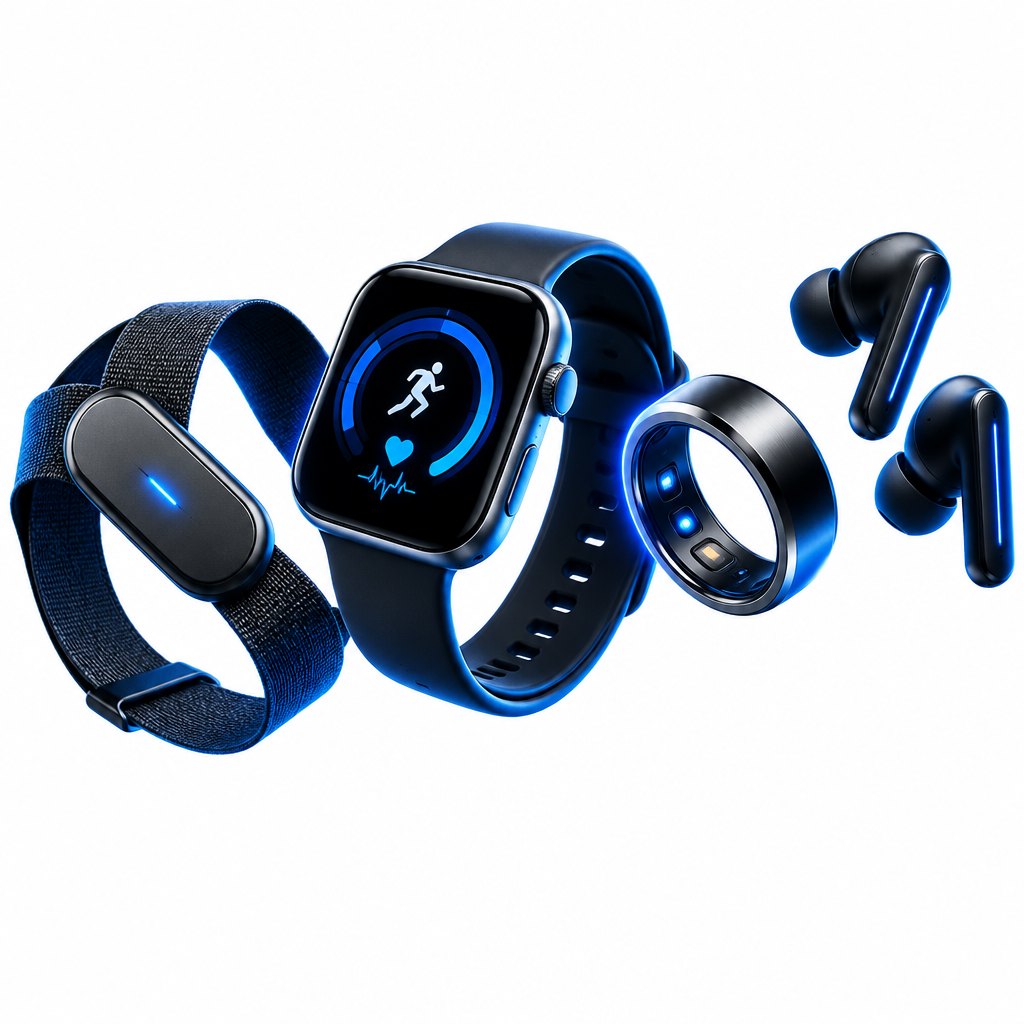
A coach watches your progress, adjusts your training and tells you when to rest. Not every athlete in India can afford one, especially at school, college or club level. Smart devices can fill part of that gap. They show whether you’re getting faster, whether you’re training too hard, and whether you’re recovering enough. The trick is choosing the gear that answers real questions, not gear that just produces more numbers.
The devices worth buying
| Device | What it tells you | Who needs it |
|---|---|---|
| GPS sports watch | Distance, pace, heart rate, training load | Runners, footballers, triathletes |
| Chest-strap heart rate monitor | Accurate heart rate during intense effort | Anyone doing intervals, HIIT or races |
| Recovery tracker | Sleep, heart rate variability, readiness | Athletes training 5+ days a week |
| Smart scale | Weight trend, rough body composition | Weight-class sports, gym training |
| Bike computer / power meter | Speed, cadence, power | Serious cyclists |
| Massage gun | Muscle relief (not data) | Anyone with sore legs after training |
1. GPS sports watch: the one essential
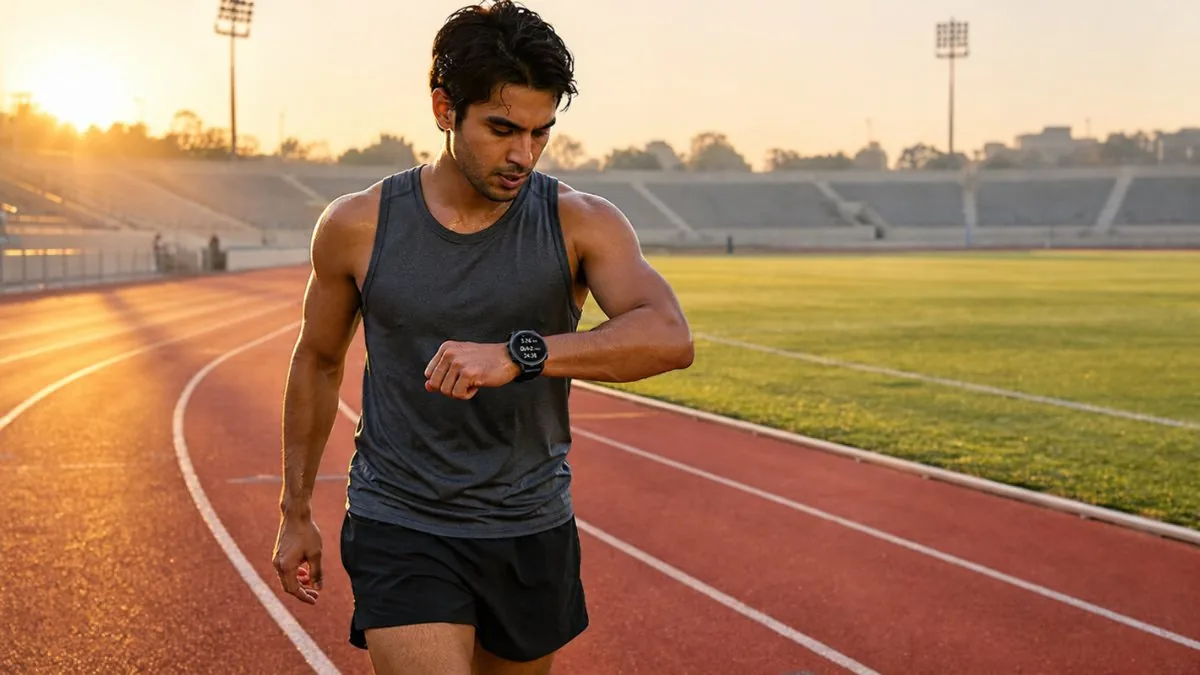
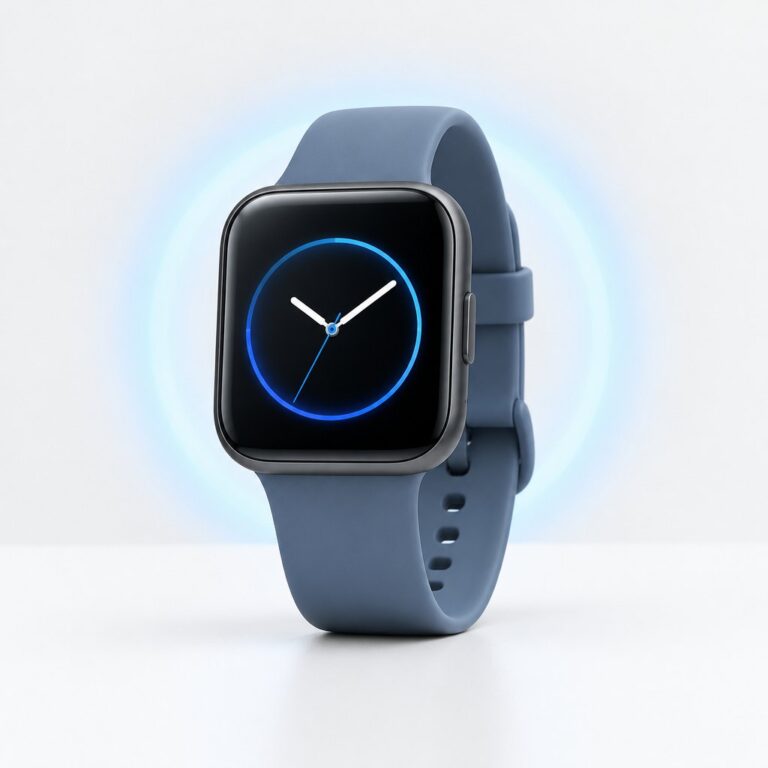
A sports watch with built-in GPS tracks your distance and pace without carrying your phone, and measures heart rate from your wrist. Good ones also estimate training load, so you can see if you’re doing too much too soon, which is a common cause of injury.
Look for multi-band GPS for better accuracy in cities with tall buildings, a battery that lasts a week or more, and an app that’s easy to read. Garmin’s Forerunner range is the most popular with runners; Coros and Amazfit offer good value.
2. Chest-strap heart rate monitor: for accurate effort data
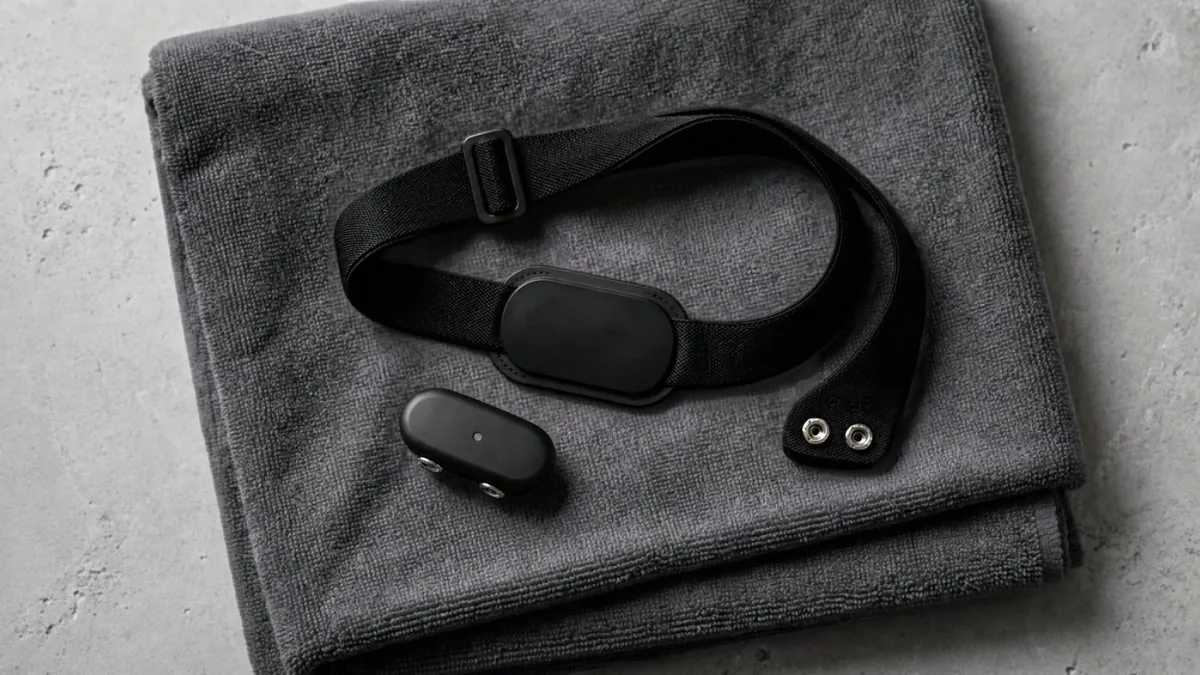
Wrist sensors are fine for steady runs but often lag or jump during sprints, intervals and weight training. A chest strap reads your heart’s electrical signal directly and is much more accurate. It pairs with most sports watches and phone apps. The Polar H10 is a long-standing favourite.
3. Recovery tracker: know when to rest
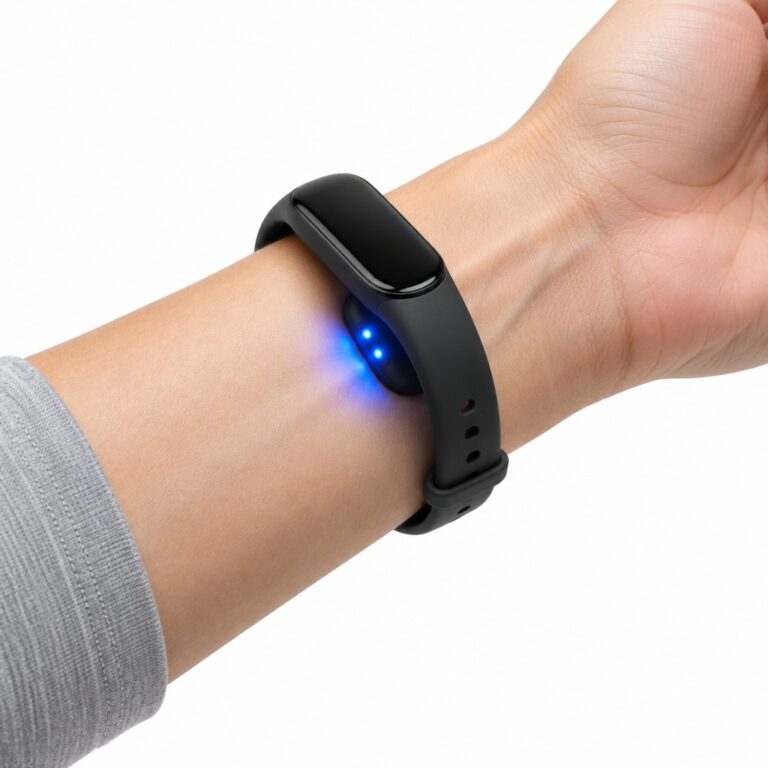
Training hard every day without enough recovery leads to tiredness, poor performance and injury. Recovery trackers measure sleep and heart rate variability (HRV), which is how much the time between your heartbeats varies. Higher HRV usually means you’re well recovered. They turn this into a simple daily readiness score. Screenless bands like Whoop and the Google Fitbit Air are built for this; many sports watches do it too.
4. Smart scale: watch the trend, not the number
A smart scale logs your weight to an app automatically. Body fat and muscle numbers come from a small electrical current and can be off by several percent, so use them to watch trends over weeks, not single readings. For sports with weight classes, such as wrestling, boxing and weightlifting, the weight trend alone is valuable.
5. For specific sports
- Cricket: batting and bowling sensors that clip to the bat or measure arm speed exist, but they’re niche. A GPS watch for fitness work and video analysis on your phone (slow-motion recording of your action) give more value for most players.
- Football and hockey: a GPS watch or a GPS vest tracks distance, sprints and work rate in matches.
- Cycling: a bike computer shows speed and route, and a power meter gives the most accurate measure of effort, but it’s expensive.
- Swimming: choose a watch with pool and open-water modes and at least 5ATM water resistance.
Apps that help
- Strava: log and share runs and rides, and see segments in your city
- Garmin Connect / Coros / Polar Flow: the companion apps for each watch brand
- Free training plans: many watch apps offer adaptive plans that adjust to your progress
How to use the data without overthinking it
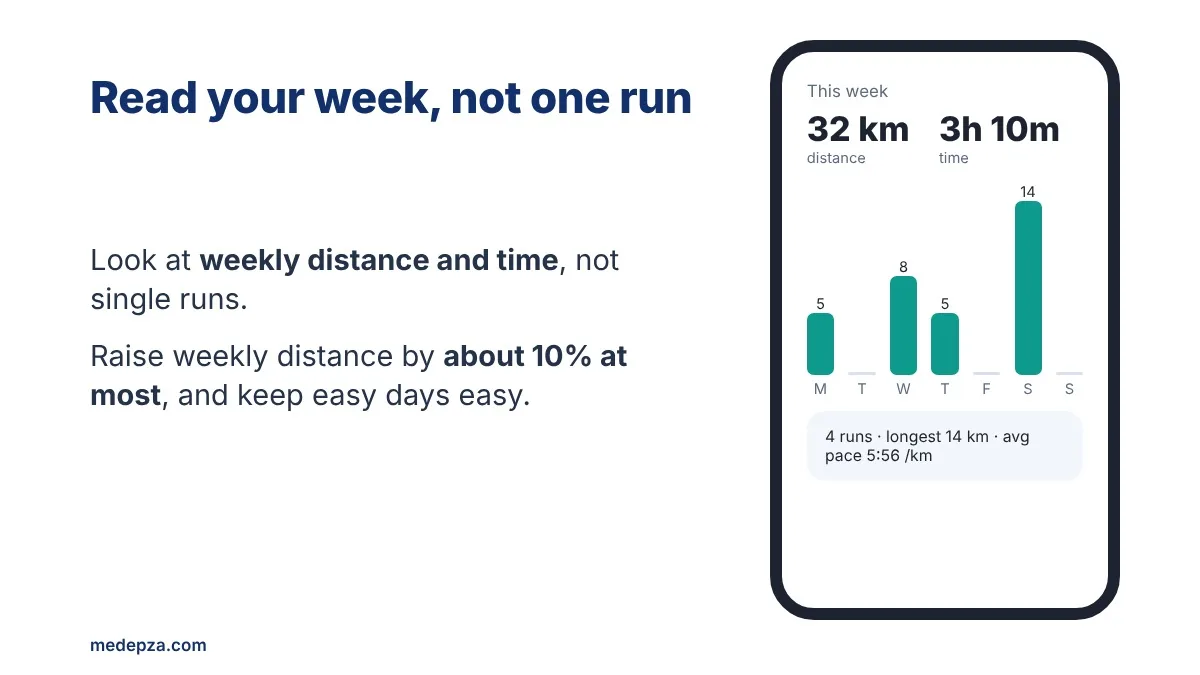
- Focus on 2 or 3 numbers: for most athletes, weekly distance or training time, average heart rate, and sleep.
- Look at weekly trends, not daily scores. One bad night’s readiness score means little.
- Listen to your body. If you feel unwell or have pain, rest, whatever your watch says.
- Don’t increase training load by more than about 10% a week. It’s a simple, widely used guard against injury.
Wearables are training tools, not medical devices. See a doctor or physiotherapist about pain, injuries or unusual heart readings.
Related guides
Common questions
What is the most useful smart device for a beginner athlete?
A GPS sports watch. It covers distance, pace, heart rate and sleep in one device.
Is a fitness band enough instead of a sports watch?
For general fitness, yes. For running with pace and distance, you need GPS, which most cheap bands lack. See our fitness trackers guide for band options.
Are chest straps uncomfortable?
Most people stop noticing them after a few minutes. Wet the strap’s sensors before you start for a better reading.
Our verdict
Start with a GPS sports watch. Add a chest-strap heart rate monitor if you do intense training, and a recovery tracker if you train most days. Skip gadgets that don’t answer a real question about your training.
One Comment